Introduction
Pain and inflammation are among the most common health problems people experience in daily life. Headaches, joint pain, dental pain, muscle soreness, and fever can affect normal activities and reduce quality of life. Many patients look for medicines that can help manage these symptoms safely under medical supervision.
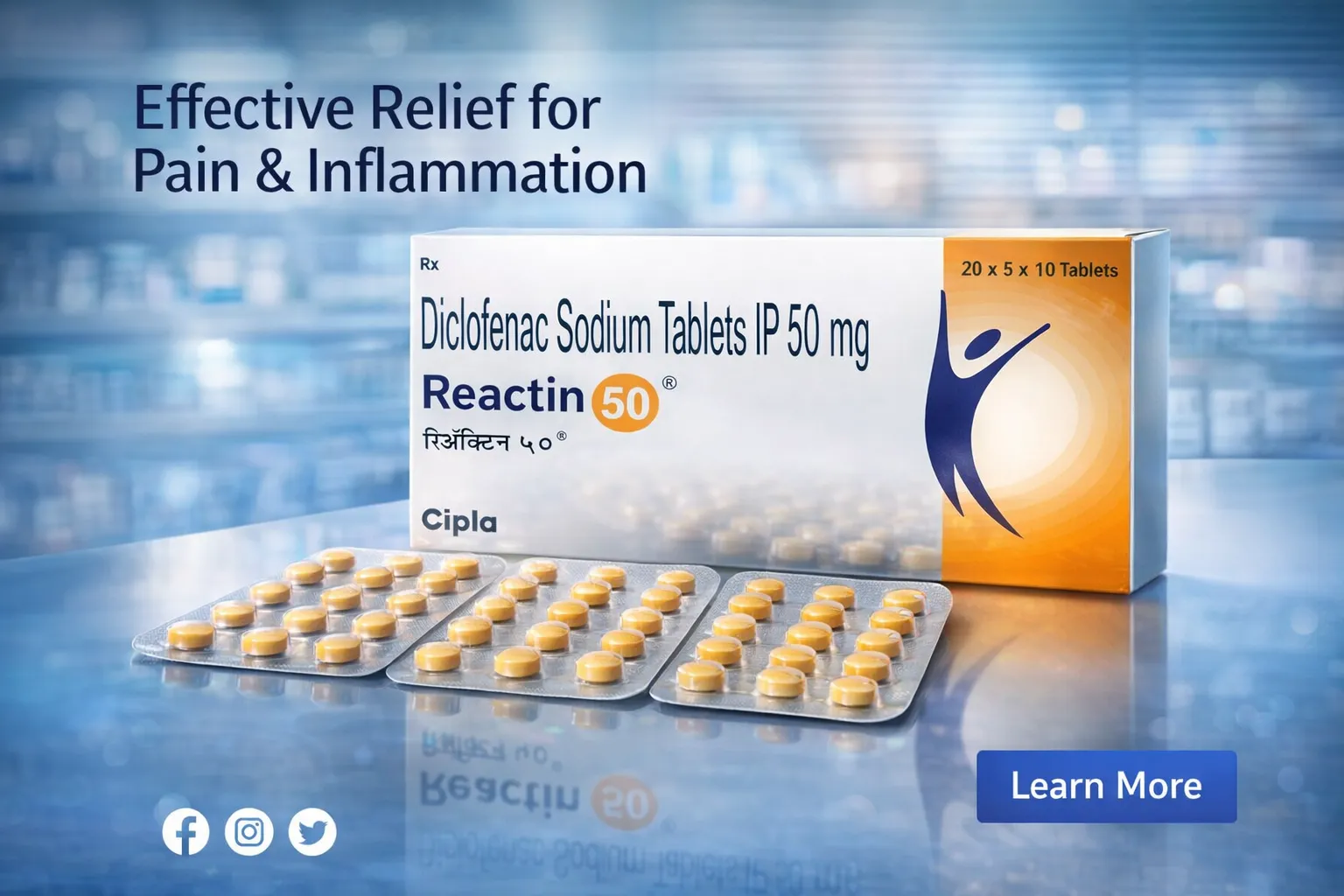
One commonly prescribed medication for pain and inflammation is Diclofenac, a non-steroidal anti-inflammatory drug (NSAID). Doctors often prescribe it for short-term pain management related to injuries, arthritis, dental problems, and inflammatory conditions.
Many people search online about Diclofenac sodium tablet 50mg uses because they want to understand when the medicine is prescribed, how it works, what dosage is considered safe, and what side effects may occur.This article explains Diclofenac sodium tablet 50mg uses, dosage recommendations, safety precautions, possible side effects, and frequently asked questions. The goal is to provide medically responsible information so readers can understand this medicine better while remembering that any medication should be taken according to a qualified healthcare professional’s advice.

What Is Diclofenac Sodium Tablet 50mg?
Understanding Diclofenac sodium tablet 50mg uses begins with knowing what type of medicine it is and how it works inside the body.
Diclofenac belongs to a group of medicines known as non-steroidal anti-inflammatory drugs (NSAIDs). These medicines are commonly used to help reduce inflammation, swelling, and pain in different medical conditions.
Drug Classification
Diclofenac is classified as:
- NSAID (Non-Steroidal Anti-Inflammatory Drug)
- Analgesic (pain-relieving medicine)
- Anti-inflammatory medication
It is widely used in both tablet and injection forms. In some situations doctors may prescribe Diclofenac sodium injection uses for faster pain relief in clinical settings.
Composition
A standard diclofenac tablet contains:
- Diclofenac Sodium 50 mg
Some formulations may include additional protective agents for the stomach depending on the brand.
How the Medicine Works
To understand Diclofenac sodium tablet 50mg uses, it helps to know how it works biologically.
Diclofenac works by blocking enzymes called COX-1 and COX-2. These enzymes produce prostaglandins, chemicals responsible for pain, inflammation, and swelling.
By reducing prostaglandin production, diclofenac may help:
- decrease inflammation
- relieve pain
- reduce swelling
- improve joint movement
However, like all NSAIDs, it must be used carefully because excessive use may increase the risk of stomach irritation or other complications.
Diclofenac Sodium Tablet 50mg Uses
Understanding Diclofenac sodium tablet 50mg uses helps patients know when doctors prescribe this medicine for pain and inflammation related conditions.
Doctors prescribe diclofenac for a variety of painful conditions. Understanding Diclofenac sodium tablet 50mg uses helps patients recognize when this medicine may be appropriate.
1. Muscle Pain and Body Pain
One of the most common Diclofenac sodium tablet 50mg uses is the treatment of muscle pain and body aches caused by physical strain, injury, or inflammation.
Athletes or people who perform heavy physical work sometimes experience muscle soreness or swelling. Diclofenac may help reduce inflammation and improve mobility when prescribed by a healthcare professional.
2. Joint Pain and Arthritis
Diclofenac is frequently prescribed for inflammatory joint conditions such as:
- osteoarthritis
- rheumatoid arthritis
- ankylosing spondylitis
In these conditions, inflammation causes pain and stiffness in the joints. Diclofenac may help reduce inflammation and improve joint function for short-term symptom management.
3. Dental Pain
Dentists often prescribe diclofenac after dental procedures.
Common dental situations where diclofenac may be used include:
- tooth extraction
- gum inflammation
- dental surgery pain
In such cases, Diclofenac potassium tablet uses may also be considered because potassium salt forms sometimes act faster in certain formulations.
4. Headache and Migraine
Another situation related to Diclofenac sodium tablet 50mg uses is short-term treatment of headaches or migraine attacks.
In migraine therapy, diclofenac may help reduce pain intensity and inflammation in the blood vessels around the brain.
However, frequent headaches should always be evaluated by a doctor to identify the underlying cause.
5. Fever and Inflammatory Conditions
Although not the first choice for fever, diclofenac may sometimes be used when fever is associated with inflammatory conditions.
Examples include:
- post-surgical inflammation
- injury-related swelling
- inflammatory pain conditions

Dosage Guidelines
Dosage is a critical factor when discussing Diclofenac sodium tablet 50mg uses because improper dosage may increase the risk of side effects. Before starting treatment, patients should understand Diclofenac sodium tablet 50mg uses and follow proper dosage instructions recommended by healthcare professionals.
Adult Dosage
For adults, doctors commonly prescribe:
- 50 mg tablet taken 2–3 times daily
However, dosage varies depending on the medical condition and patient health status.
Maximum Daily Dose
One frequently asked question is about the Maximum dose of diclofenac in 24 hours.
For most adults:
- Maximum dose: 150 mg per day
Taking more than the recommended amount increases the risk of stomach bleeding and cardiovascular complications.
Diclofenac 100mg Dosage
Some extended-release forms contain 100 mg tablets. These may be prescribed once daily depending on the condition.
Patients often ask:
Is diclofenac 50 mg or 100 mg stronger?
A 100 mg dose contains more active medicine but should only be taken if prescribed by a doctor.
Safety Note
Dosage may vary depending on the patient’s condition and doctor’s advice.
Self-medication with higher doses should always be avoided.
Diclofenac Sodium 50 mg Side Effects
Although Diclofenac sodium tablet 50mg uses include managing inflammation and pain, some patients may experience mild or moderate side effects.
Like all medicines, diclofenac may cause side effects in some patients. Understanding Diclofenac sodium tablet 50mg uses also requires knowing the possible risks.
Common Side Effects
Common Diclofenac sodium 50 mg side effects may include:
- stomach discomfort
- nausea
- indigestion
- headache
- dizziness
- mild stomach pain
These symptoms are usually mild and temporary but should be monitored.
Rare but Serious Side Effects
Rare complications may include:
- stomach ulcers
- gastrointestinal bleeding
- liver enzyme elevation
- allergic reactions
- swelling of face or throat
Patients experiencing severe symptoms should seek medical attention immediately.
Precautions Before Taking Diclofenac
Before taking diclofenac, several medical conditions should be considered.
Patients should clearly understand Diclofenac sodium tablet 50mg uses and safety precautions before taking the medicine.
Pregnancy
Diclofenac is generally avoided during late pregnancy because NSAIDs may affect fetal circulation.
Pregnant individuals should always consult their doctor before using any medication.
Breastfeeding
Small amounts of diclofenac may pass into breast milk. Doctors usually evaluate benefits and risks before recommending it during breastfeeding.
Alcohol Consumption
Combining diclofenac with alcohol may increase stomach irritation and bleeding risk. Limiting alcohol intake is advised.
Liver or Kidney Disease
Patients with liver or kidney problems require careful monitoring when using NSAIDs.
Allergies
People allergic to aspirin or other NSAIDs should inform their doctor before taking diclofenac.
Drug Interactions
Drug interactions are an important consideration when evaluating Diclofenac sodium tablet 50mg uses.
Blood Thinners
Diclofenac may interact with blood thinners such as warfarin and increase bleeding risk.
Steroids
Using steroids with diclofenac may raise the chance of stomach ulcers.
Other NSAIDs
Taking multiple NSAIDs together increases side effect risks. Patients should avoid combining diclofenac with other similar medicines unless prescribed.

Storage and Safety
Proper storage ensures medicine safety and effectiveness.
Recommended storage guidelines include:
- store below 25°C temperature
- keep tablets in original packaging
- protect from moisture and sunlight
- keep away from children
- avoid using expired medicine
Proper storage ensures the effectiveness and safety of medicines used for Diclofenac sodium tablet 50mg uses.
Expired medications may lose effectiveness or cause unexpected reactions.
Steps for Safe Use
Understanding safe practices helps maximize benefits from Diclofenac sodium tablet 50mg uses while minimizing risks.
Step 1 Check Dosage
Always verify the dosage written on the prescription.
Never increase dosage without medical guidance.
Step 2 Follow Timing
Take the medicine at the same time each day to maintain consistent drug levels.
Some doctors recommend taking diclofenac after meals to reduce stomach irritation.
Step 3 Avoid Overdose
Do not exceed the recommended maximum dose of diclofenac in 24 hours.
Overdose may cause serious complications including stomach bleeding or kidney problems.
Quick Answer: What Is Diclofenac Sodium 50 mg Used For?
Diclofenac sodium tablet 50mg uses include short-term treatment of pain and inflammation caused by:
- arthritis
- muscle injury
- dental pain
- post-surgical pain
- inflammatory conditions
The medicine works by reducing prostaglandin production, which helps decrease inflammation and pain signals in the body.
Diclofenac 50 mg vs 100 mg Comparison
| Feature | Diclofenac 50 mg | Diclofenac 100 mg |
| Strength | Moderate dose | Higher dose |
| Frequency | 2–3 times daily | Usually once daily |
| Use | Mild to moderate pain | Moderate to severe pain |
| Prescription | Common outpatient use | Doctor supervision required |

Conclusion
Understanding Diclofenac sodium tablet 50mg uses is important for patients who are prescribed this medication for pain and inflammation. Diclofenac belongs to the NSAID group and works by reducing chemicals in the body responsible for swelling and pain.
Doctors may prescribe it for conditions such as joint pain, muscle injuries, dental pain, and inflammatory disorders. While the medicine can help manage symptoms effectively when used correctly, it should always be taken according to medical advice.
Patients should follow recommended dosage limits, avoid self-medication, and be aware of potential side effects. If symptoms persist or worsen, consulting a healthcare professional is essential for proper diagnosis and treatment guidance.
Responsible use and medical supervision help ensure that treatments involving diclofenac remain both safe and effective. By understanding Diclofenac sodium tablet 50mg uses, patients can take the medicine responsibly under proper medical guidance.
Frequently Asked Questions
What is diclofenac sodium 50 mg used for?
Diclofenac sodium 50 mg is commonly prescribed to manage pain and inflammation caused by conditions such as arthritis, muscle injuries, dental pain, and postoperative discomfort. The medication belongs to the NSAID category and works by reducing inflammatory chemicals in the body. Doctors may recommend it for short-term treatment when pain interferes with daily activities. However, it should only be used according to a doctor’s prescription because excessive use can increase the risk of stomach irritation or other complications.
What is diclofenac 100mg used for?
Diclofenac 100 mg tablets are usually extended-release forms prescribed for moderate to severe inflammatory pain. These higher-dose tablets are often taken once daily rather than multiple smaller doses. They may be recommended for chronic conditions such as arthritis where consistent pain control is required. Because the dosage is higher, doctors carefully evaluate patient health conditions before prescribing it to reduce potential risks.
Can I take 100mg of diclofenac for pain?
Some patients may be prescribed 100 mg diclofenac tablets, but this depends on the medical condition and doctor’s recommendation. Taking higher doses without medical supervision is not advised. NSAIDs can increase the risk of stomach irritation, kidney stress, or cardiovascular problems when taken improperly. Patients experiencing persistent pain should consult a healthcare professional to determine the safest dosage.
Diclofenac potassium 50 mg used for?
Diclofenac potassium 50 mg is another form of diclofenac that may be absorbed slightly faster in certain formulations. Doctors may prescribe it for acute pain conditions such as migraines, dental pain, or musculoskeletal injuries. While the active drug is similar, the salt form can influence how quickly the medicine begins working. The choice between sodium and potassium forms depends on the clinical situation and doctor preference.
What are diclofenac sodium 50 mg side effects?
Possible diclofenac sodium 50 mg side effects include stomach discomfort, nausea, dizziness, headache, and indigestion. In rare cases, serious complications such as stomach ulcers or allergic reactions may occur. Patients should report persistent abdominal pain, vomiting blood, or unusual swelling to a healthcare provider immediately. Taking the medicine after meals may reduce mild stomach irritation.
What is diclofenac sodium injection used for?
Diclofenac sodium injection uses include short-term treatment of severe pain in hospitals or clinical settings. Doctors may administer injections after surgery, during acute injuries, or when oral medicines cannot be taken. Injectable diclofenac typically works faster than tablets because it enters the bloodstream directly. However, injections are administered only under medical supervision.
ডাইক্লোফেনাক ৫০ নাকি ১০০ মিলিগ্রাম?
ডাইক্লোফেনাক ৫০ মিলিগ্রাম এবং ১০০ মিলিগ্রাম উভয়ই ব্যথা ও প্রদাহ কমানোর জন্য ব্যবহার করা হয়। সাধারণত হালকা থেকে মাঝারি ব্যথার জন্য ৫০ মিলিগ্রাম ডোজ দেওয়া হয়। গুরুতর বা দীর্ঘস্থায়ী ব্যথার ক্ষেত্রে চিকিৎসক কখনও কখনও ১০০ মিলিগ্রাম ডোজ দিতে পারেন। তবে ডোজ সবসময় রোগীর অবস্থা, বয়স এবং অন্যান্য স্বাস্থ্য সমস্যার উপর নির্ভর করে নির্ধারণ করা হয়।
ডাইক্লোফেনাক 100 mg কি নেশা জাতীয় ঔষধ?
না, ডাইক্লোফেনাক ১০০ মিলিগ্রাম কোনো নেশা জাতীয় ঔষধ নয়। এটি একটি NSAID ধরনের ব্যথানাশক ও প্রদাহ কমানোর ওষুধ। এটি শরীরে প্রদাহ কমিয়ে ব্যথা কমাতে সাহায্য করে। তবে এটি চিকিৎসকের পরামর্শ অনুযায়ী ব্যবহার করা উচিত, কারণ অতিরিক্ত ব্যবহার করলে পেটের সমস্যা বা অন্যান্য পার্শ্বপ্রতিক্রিয়া হতে পারে।
Medical Disclaimer
This content is for informational purposes only and should not be considered medical advice. Always consult a qualified healthcare professional before taking any medication.