Introduction
Heat stroke is a medical emergency, but in its early stages, heat stroke treatment at home can play a life-saving role if done correctly and quickly. The key is recognizing symptoms early and acting immediately before the condition worsens.
If you’ve ever wondered whether heat stroke treatment at home is actually effective, the answer is yes—but only for mild to moderate cases. Knowing the right steps can prevent serious complications and even hospitalization.
In this guide, you’ll learn exactly what to do, what to avoid, and how to recover safely using proven, medically backed methods.
Quick Answer
The fastest approach to heat stroke treatment at home involves:
- Moving the person to a cool environment immediately
- Lowering body temperature using water, ice packs, or wet cloths
- Hydrating with fluids like water or oral rehydration solutions
- Monitoring symptoms closely
If symptoms worsen or don’t improve within 30 minutes, medical attention is required.

What is the Medicine
When it comes to heat stroke treatment at home, there is no single “magic pill” that cures the condition instantly. Instead, treatment focuses on rapid cooling and hydration rather than medication.
However, certain supportive medicines may help during recovery:
- Oral rehydration salts (ORS) to restore electrolyte balance
- Paracetamol (only for discomfort, not for reducing body temperature caused by heat stroke)
- Electrolyte drinks
It’s important to understand that traditional fever medicines do not effectively treat heat stroke because the underlying cause is external heat, not infection.
In severe cases, heat stroke treatment in hospitals may involve IV fluids, cooling devices, and close monitoring.
History and Development
The understanding of heat stroke causes and treatment has evolved significantly over time. Earlier, people believed heat-related illness was simply dehydration. Now, medical science identifies it as a failure of the body’s temperature regulation system.
Historically:
- Ancient civilizations used shade, water immersion, and herbal cooling methods
- Modern medicine introduced structured protocols for cooling therapy
- Today, early-stage heat stroke treatment at home is widely recommended for mild cases
Research from global health bodies shows that early intervention drastically reduces complications and improves heat stroke recovery time.
Uses
Understanding when to apply heat stroke treatment at home is critical. It is useful in the following situations:
1. Mild Heat Stroke Symptoms
When symptoms are early and manageable, such as:
- Dizziness
- Excessive sweating
- Fatigue
- Headache
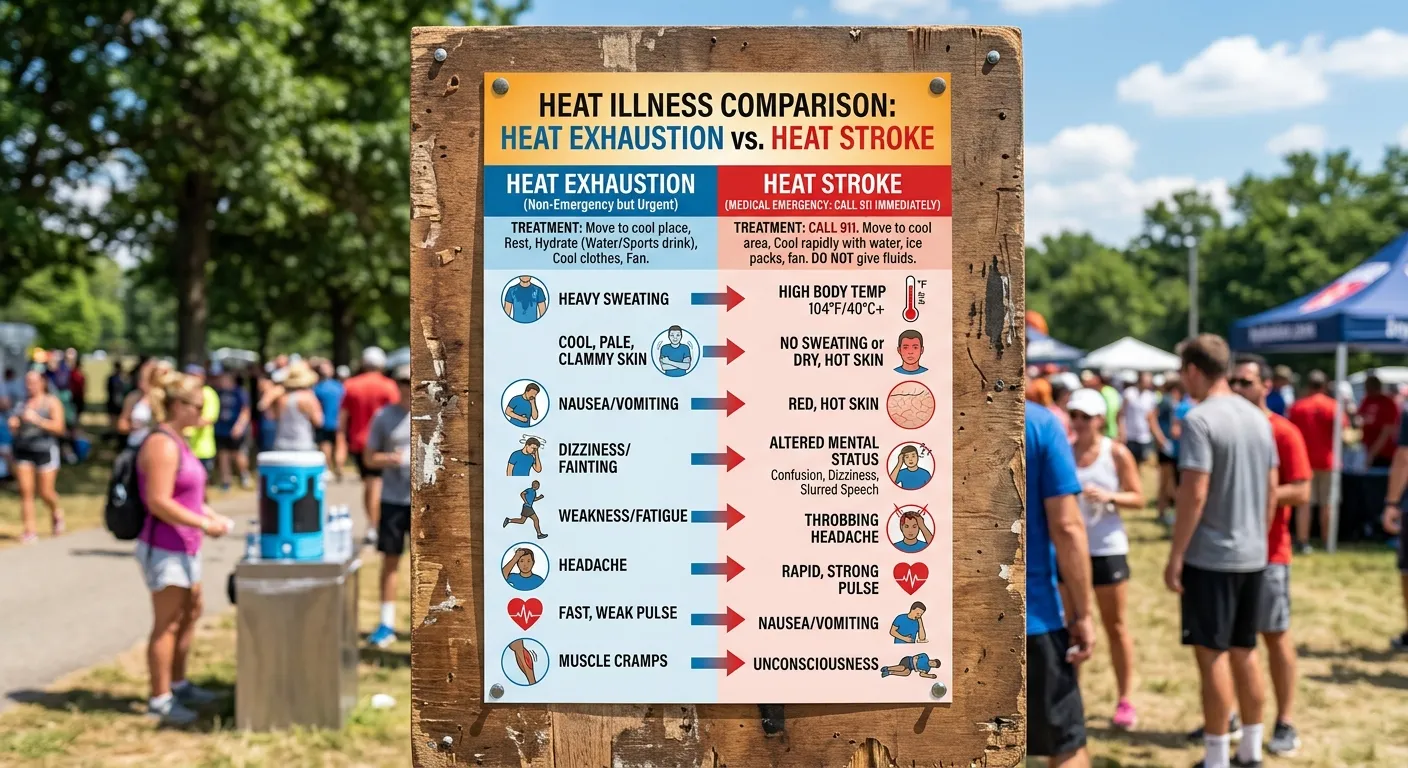
These are often confused with heat exhaustion, which is a less severe but related condition.
2. Mild Heat Stroke Treatment
If the person is conscious and responsive, home care can be effective. This includes:
- Cooling the body
- Providing fluids
- Resting in a shaded or air-conditioned area
3. Preventing Progression
Early action helps prevent escalation into severe heat stroke, which can lead to organ damage.
4. Immediate First Aid
Heat stroke first aid at home is often the first response before professional care becomes available.
Dosage
Unlike traditional medications, heat stroke treatment at home relies on controlled actions rather than dosage. However, hydration and electrolyte intake must be carefully managed.
Fluid Intake Guidelines
- Small sips every 5–10 minutes
- Avoid overhydration in a short time
- Use ORS or electrolyte solutions
Cooling Duration
- Apply cooling methods continuously for 20–30 minutes
- Reassess body temperature regularly
Important Note
Improper handling can delay heat exhaustion recovery time and worsen symptoms, so consistency is key.
Side Effects
While heat stroke treatment at home is generally safe, incorrect methods can cause complications.
Common Side Effects
- Shivering due to excessive cooling
- Weakness from rapid dehydration correction
- Mild nausea
These often occur when cooling is too aggressive or hydration is not balanced.
Rare Side Effects
- Electrolyte imbalance
- Confusion or fainting
- Worsening symptoms if treatment is delayed
If any of these appear, it may indicate the condition is progressing beyond mild heat stroke symptoms and requires medical care.

Common Mistakes
When applying heat stroke treatment at home, many people unknowingly make mistakes that can delay recovery or even worsen the condition. Understanding these errors is just as important as knowing the correct steps.
1. Ignoring Early Warning Signs
One of the biggest mistakes is not recognizing what are the first signs of heat exhaustion. Symptoms like dizziness, heavy sweating, and fatigue are often dismissed as normal tiredness. This delay can allow the condition to progress into full heat stroke.
2. Using Ice Directly on Skin
Applying ice packs directly without wrapping them can cause skin irritation or shock the body. Instead, always use a cloth barrier when cooling.
3. Delaying Hydration
Some people wait until severe thirst kicks in, but by then dehydration is already advanced. Early and steady fluid intake is essential for heat exhaustion management.
4. Overusing Medicines
Taking unnecessary medication instead of focusing on cooling and hydration can be ineffective. Remember, heat stroke causes are environmental, not infectious.
5. Keeping the Person in a Hot Environment
Failing to move the person to a shaded or cool place immediately can worsen symptoms rapidly.
Real-Life Example
Let’s consider a real-world scenario that shows how heat stroke treatment at home can make a critical difference.
A pharmacy owner in Medinipur was working long hours during peak summer. Around midday, he began experiencing dizziness, headache, and extreme fatigue—classic mild heat stroke symptoms.
Instead of ignoring it, his assistant acted quickly:
- Moved him to a cool indoor space
- Applied wet cloths to his forehead and neck
- Gave him ORS solution in small sips
- Allowed him to rest
Within 30–40 minutes, his condition improved significantly. This is a perfect example of how early intervention can reduce heat stroke recovery time and prevent hospitalization.
Businesses like Asha Medical often emphasise awareness among pharmacy owners because they are frequently exposed to heat during long working hours.
Expert Tips
Medical experts recommend a structured approach to heat stroke treatment at home for best results.
1. Act Within the First 10 Minutes
Immediate action is crucial. The earlier you start cooling, the better the outcome.
2. Focus on Core Body Cooling
Target areas like:
- Neck
- Armpits
- Groin
These areas help reduce body temperature faster.
3. Use Air Circulation
Fans or natural airflow can significantly enhance cooling effectiveness.
4. Monitor Consciousness
If the person becomes confused or unconscious, skip home care and seek medical help immediately.
5. Know the Difference
Understanding what are the first signs of heat exhaustion versus severe heat stroke can help you decide whether home care is enough.
Common
These are frequently observed symptoms and situations during heat-related illness:
- Excessive sweating
- Muscle cramps
- Fatigue
- Headache
- Mild dehydration
These are typically linked to heat exhaustion and can often be managed at home if addressed quickly.
Rare
Less common but more serious signs include:
- Loss of consciousness
- Seizures
- Very high body temperature (above 40°C)
- Dry skin (no sweating)
These symptoms indicate severe heat stroke and require immediate heat stroke treatment in hospital.
Precautions
Taking preventive measures is essential while performing heat stroke treatment at home and even before symptoms appear.
1. Stay Hydrated
Drink water regularly, even if you don’t feel thirsty.
2. Avoid Peak Heat Hours
Try to stay indoors between 12 PM and 4 PM, especially in high-risk regions like Bankura and Jhargram.
3. Wear Light Clothing
Loose, breathable fabrics help regulate body temperature.
4. Take Frequent Breaks
If you work outdoors or in hot environments, rest periodically.
5. Recognize Early Symptoms
Knowing what are the first signs of heat exhaustion can help prevent serious complications.

Drug Interaction
Although heat stroke treatment at home is mainly non-pharmacological, certain medications can influence how the body reacts to heat.
Medications That Increase Risk
- Diuretics (increase dehydration risk)
- Antihistamines (reduce sweating)
- Beta-blockers (affect heat tolerance)
Important Consideration
If someone is on regular medication, extra caution is needed during heat exposure, as these drugs can worsen heat stroke causes.
Storage
Proper storage of hydration and supportive supplies is important for effective heat stroke treatment at home.
What to Store
- ORS packets
- Clean drinking water
- Electrolyte solutions
- Cooling towels
Storage Tips
- Keep in a cool, dry place
- Avoid direct sunlight
- Ensure easy accessibility during emergencies
Pharmacies and suppliers like Asha Medical often recommend keeping essential hydration products stocked, especially during summer seasons.
Steps
Now let’s break down the exact actionable process for heat stroke treatment at home. These steps are simple but must be followed correctly.
Step 1: Move to a Cool Place
Immediately take the person to a shaded or air-conditioned environment. This is the first and most critical step.
Step 2: Start Cooling the Body
Use:
- Wet cloths
- Cool water spray
- Fan or air circulation
Focus on reducing body temperature gradually.
Step 3: Hydrate Slowly
Give small sips of water or ORS. Avoid forcing large amounts at once.
These steps are the foundation of heat stroke first aid and can significantly improve recovery outcomes.
Comparison
When deciding between heat stroke treatment at home and professional medical care, it’s important to understand the key differences. Choosing the right approach at the right time can be life-saving.
| Condition Level | Home Care Suitable? | Key Actions | Risk Level |
| Mild Heat Exhaustion | Yes | Cooling, hydration, rest | Low |
| Mild Heat Stroke Treatment | Yes (with caution) | Cooling + monitoring | Moderate |
| Severe Heat Stroke | No | Immediate hospitalization | High |
| Unconscious Patient | No | Emergency care only | Critical |
Home care works best when symptoms are mild and the person is conscious. However, if there’s confusion, fainting, or no improvement within 30 minutes, heat stroke treatment in hospital becomes necessary.

Conclusion
In summary, heat stroke treatment at home is effective only when applied early, correctly, and for mild cases. The most important factors are speed, awareness, and proper technique.
You now know:
- What is the fastest way to cure heat stroke? → Rapid cooling + hydration
- What are the first signs of heat exhaustion? → Dizziness, sweating, fatigue
- How do you recover from heat exhaustion? → Rest, fluids, and temperature control
Understanding heat stroke causes and acting immediately can significantly reduce complications and shorten heat stroke recovery time.
For pharmacy owners and healthcare providers in regions like Medinipur, Bankura, and Jhargram, staying prepared is essential. Reliable suppliers like Asha Medical help ensure access to hydration solutions and emergency essentials during peak summer.
FAQ Section
1. What is the fastest way to cure heat stroke?
The fastest method involves immediate cooling, hydration, and rest. Early heat stroke treatment at home can prevent severe complications.
2. What are the first signs of heat exhaustion?
Common early signs include dizziness, sweating, fatigue, and headache. Recognizing what are the first signs of heat exhaustion helps in early intervention.
3. How do you recover from heat exhaustion?
Recovery involves cooling the body, drinking fluids, and resting. Knowing how do you recover from heat exhaustion properly reduces risks.
4. What is the cause of heat stroke?
The primary heat stroke causes include prolonged exposure to high temperatures, dehydration, and overexertion.
5. Can mild heat stroke be treated at home?
Yes, mild heat stroke treatment can be done at home if symptoms are not severe and the person is conscious.
6. What are mild heat stroke symptoms?
Typical mild heat stroke symptoms include headache, fatigue, dizziness, and excessive sweating.
7. How long is heat stroke recovery time?
Heat stroke recovery time varies from a few hours to several days depending on severity and treatment speed.
8. When should I go to the hospital?
If symptoms worsen, such as confusion or unconsciousness, immediate heat stroke treatment in hospital is required.
9. What is heat stroke first aid?
Heat stroke first aid includes moving to a cool place, cooling the body, and providing fluids.
10. How can I prevent heat stroke?
Prevention of heat stroke includes staying hydrated, avoiding peak heat, and wearing light clothing.
Medical Authority & Sources
- World Health Organization (WHO) – Guidance on heat-related illnesses and prevention
- National Institutes of Health (NIH) – Research on thermoregulation and heat stress
- Mayo Clinic – Clinical overview of heat stroke symptoms and treatment
- Centers for Disease Control and Prevention (CDC) – Heat illness prevention strategies
Disclaimer
This content is for informational purposes only and should not replace professional medical advice.