Introduction
Extreme heat is no longer just a seasonal discomfort. It has become a serious health risk, especially in regions like West Bengal where temperatures can rise sharply. Understanding sun stroke symptoms and treatment is not just helpful, it can be life-saving for individuals and pharmacy professionals alike.
When the body is exposed to high temperatures for too long, it loses its ability to regulate heat. This can lead to heat stroke, a potentially fatal condition if not managed quickly. Many people confuse it with general fatigue or dehydration, which delays proper care. That’s why learning about sun stroke symptoms and treatment is essential for early detection and effective response.
For pharmacy owners and healthcare providers, this knowledge is even more critical. Customers often come in with vague complaints like dizziness or nausea. Recognizing whether these are early warning signs can make a huge difference. Throughout this guide, we will break down sun stroke symptoms and treatment in a practical, easy-to-understand way.
Quick Answer
Sun stroke, also known as heat stroke, occurs when the body temperature rises above 40°C (104°F) and the cooling system fails. The most common signs include high fever, confusion, rapid pulse, and dry skin.
Immediate care includes:
- Moving the person to a cooler place
- Hydrating with fluids
- Cooling the body using wet cloths or ice packs
Early recognition of sun stroke symptoms and treatment can prevent complications and save lives.

What is the Medicine
When discussing sun stroke symptoms and treatment, it’s important to clarify that there is no single “magic pill” that cures heat stroke instantly. Instead, treatment focuses on rapid cooling and supportive care.
However, certain medications and medical interventions are commonly used:
- Oral Rehydration Solutions (ORS): Helps restore electrolyte balance
- Paracetamol: Used cautiously for fever, though not always effective in heat stroke
- IV Fluids: Essential in severe cases for rapid hydration
- Cooling agents: Such as ice packs or cooling blankets
Pharmacy professionals often recommend ORS as the first line of support. In many cases, timely hydration alone can prevent progression from heat exhaustion symptoms to full heat stroke.
It is also worth noting that improper use of fever-reducing drugs can sometimes mask symptoms without treating the root cause. So understanding the difference between heat exhaustion symptoms and heat stroke becomes crucial.
History and Development
The understanding of sun stroke symptoms and treatment has evolved significantly over time. In earlier centuries, heat-related illnesses were poorly understood and often misdiagnosed as infections or general weakness.
Ancient civilizations, especially in hot climates like India and the Middle East, recognized the dangers of prolonged sun exposure. Traditional remedies included:
- Cooling herbs
- Shade therapy
- Hydration with natural drinks like buttermilk
Modern medicine began to clearly define heat stroke in the 19th century. Researchers identified that extreme body temperature and failure of thermoregulation were the core issues.
Today, medical science has advanced to the point where we can clearly differentiate:
- Heat exhaustion symptoms
- Mild heat stroke symptoms
- Severe heat stroke
This classification helps in better diagnosis and treatment planning.
Additionally, awareness campaigns have improved public understanding of what happens to the body during heat stroke, leading to faster response times and reduced mortality rates.
Uses
Understanding the practical applications of sun stroke symptoms and treatment is especially important for pharmacy owners and healthcare providers.
Here’s how this knowledge is used in real life:
1. Early Detection in Pharmacies
Customers often describe vague symptoms like dizziness, fatigue, or nausea. These could be early indicators of heat exhaustion symptoms. Identifying them early allows you to guide patients before the condition worsens.
2. Immediate First Aid Guidance
Pharmacists are often the first point of contact. Knowing heat stroke first aid steps allows you to:
- Recommend ORS
- Advise cooling techniques
- Suggest when to seek emergency care
3. Product Recommendations
You can confidently suggest:
- Electrolyte drinks
- Cooling gels
- Hydration salts
4. Public Awareness
Educating customers about heat stroke prevention can reduce risk during peak summer months.
Many people still ask questions like:
- What are the symptoms of mild sun stroke?
- How to remove heat from body quickly?
Having clear answers builds trust and positions your pharmacy as a reliable healthcare partner.

Dosage
When it comes to sun stroke symptoms and treatment, dosage does not refer to a single medication but rather to proper fluid intake and supportive care.
Hydration Dosage Guidelines
- Mild cases:
1–2 liters of water or ORS over a few hours - Moderate cases:
Frequent small sips of electrolyte solution - Severe cases:
Immediate IV fluids in a hospital setting
ORS Usage
- Adults: 200–400 ml after every loose motion or dehydration episode
- Children: Smaller, frequent doses
It’s important to avoid overhydration as well. Drinking excessive water without electrolytes can lead to imbalance.
Cooling Measures
- Apply cold compress every 10–15 minutes
- Use fans or air conditioning
People often wonder, How to recover from a sun stroke?
The answer lies in gradual rehydration, rest, and controlled cooling.
Side Effects
While discussing sun stroke symptoms and treatment, it’s equally important to understand the possible complications if not managed properly.
Common Effects
These are frequently seen in patients:
- Headache
- Dizziness
- Nausea
- Fatigue
- Muscle cramps
These symptoms often overlap with mild heat stroke symptoms and can be easily ignored.
Rare but Serious Effects
If treatment is delayed, more severe complications can occur:
- Confusion or altered mental state
- Seizures
- Organ failure
- Loss of consciousness
At this stage, emergency intervention is required.
Understanding what happens to the body during heat stroke helps explain these effects. The body’s internal temperature rises uncontrollably, damaging vital organs like the brain and kidneys.
At this point, we have covered the foundational medical understanding. In the next part, we will go deeper into practical mistakes, real-life scenarios, expert insights, and detailed prevention strategies that are highly relevant for pharmacy businesses.
Common Mistakes
Even with increasing awareness, many people still make critical errors when dealing with heat-related illnesses. Understanding these mistakes is essential for improving outcomes related to sun stroke symptoms and treatment.
1. Ignoring Early Warning Signs
One of the biggest mistakes is overlooking early symptoms like fatigue, excessive sweating, and dizziness. These are often dismissed as normal tiredness, but they are actually heat exhaustion symptoms that signal danger.
People frequently ask, What are the first signs of heat exhaustion?
The answer includes:
- Heavy sweating
- Weakness
- Cold, pale skin
- Nausea
Ignoring these signs allows the condition to progress into something more severe.
2. Delaying Hydration
Another common issue is not drinking enough fluids. Many individuals wait until they feel extremely thirsty, which is already a late sign of dehydration.
This delay worsens mild heat stroke symptoms, making recovery slower and more complicated.
3. Using Incorrect Cooling Methods
Some people attempt rapid cooling using ice-cold water baths without supervision. This can shock the body and lead to complications.
Instead, gradual cooling is safer and more effective when managing heat stroke treatment at home.
4. Misjudging Severity
Confusing heat stroke vs heat exhaustion is a frequent mistake. Heat exhaustion is less severe but can quickly escalate into heat stroke if not treated properly.
5. Self-Medicating Without Knowledge
Taking random medications without understanding the condition can mask symptoms. This makes it harder to identify sun stroke symptoms and treatment accurately.
Real Life Example
Let’s look at a practical scenario to better understand sun stroke symptoms and treatment in action.
In Medinipur, during a peak summer afternoon, a delivery worker collapsed after prolonged sun exposure. Initially, he complained of fatigue and dizziness—classic heat exhaustion symptoms.
However, these warning signs were ignored. Within an hour, his condition worsened:
- Body temperature spiked
- He became confused
- Sweating stopped
This transition from mild heat stroke symptoms to severe heat stroke happened quickly.
Fortunately, nearby shopkeepers acted fast:
- They moved him to shade
- Applied wet cloths
- Gave ORS
He was later taken to a hospital and recovered fully.
This case highlights an important lesson:
Recognizing early signs and applying correct heat stroke first aid can prevent life-threatening situations.
Pharmacies like Asha Medical often play a key role in such emergencies by guiding immediate care.

Expert Tips
Healthcare professionals emphasize a proactive approach when dealing with sun stroke symptoms and treatment.
Stay Ahead of the Heat
Do not wait for symptoms to appear. Prevention is always better than cure.
Maintain Electrolyte Balance
Plain water is not always enough. Electrolytes are essential for proper hydration.
Recognize Body Signals
Understanding what happens to the body during heat stroke helps in early detection. The body stops sweating and loses its cooling ability.
Avoid Peak Sun Hours
Limit outdoor exposure between 12 PM and 4 PM.
Use Protective Measures
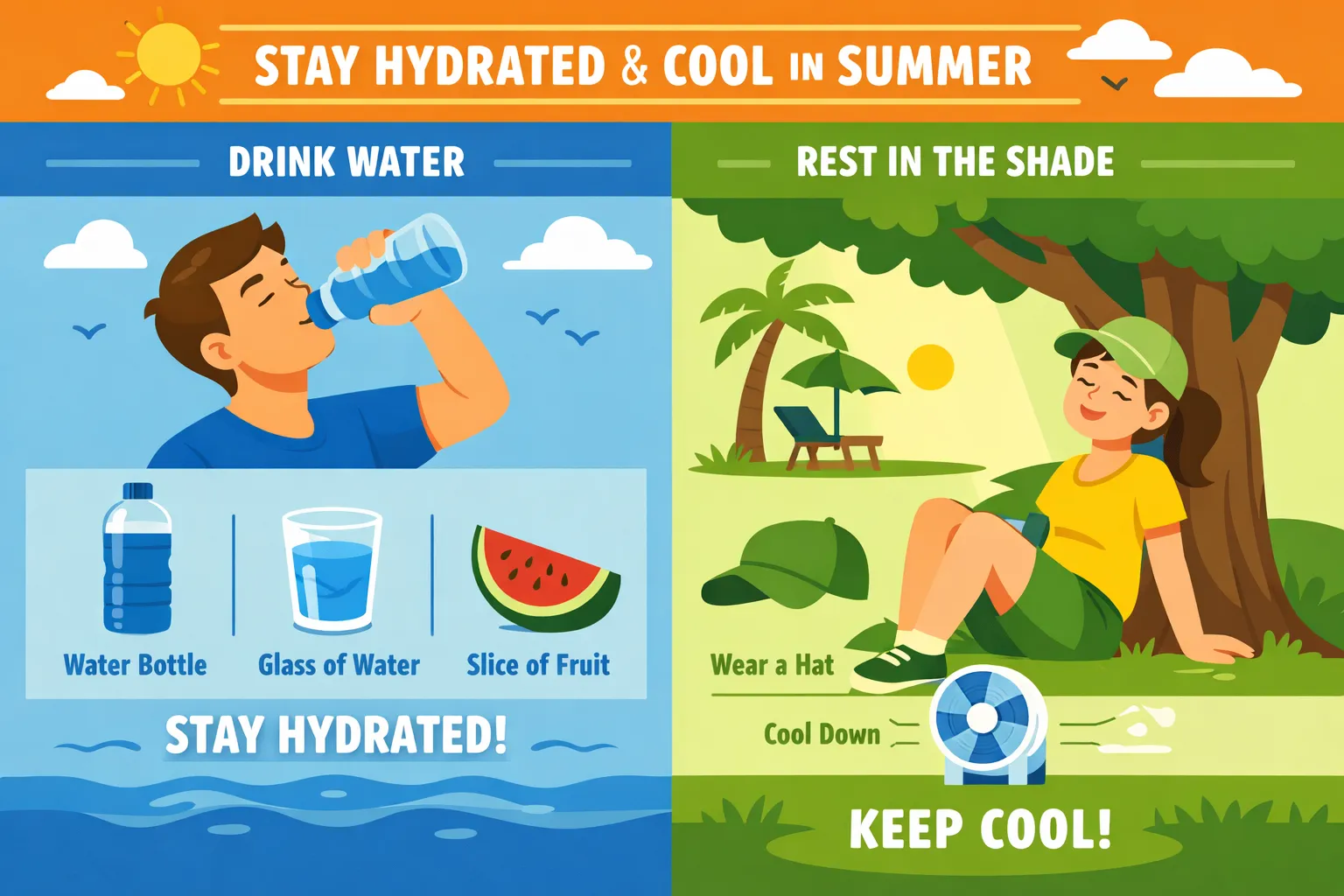
- Wear light clothing
- Use umbrellas or hats
- Stay in shaded areas
Common
These are frequently observed patterns among patients:
- Persistent fatigue
- Mild confusion
- Excessive sweating
These signs are often linked to heat exhaustion symptoms and should not be ignored.
Rare
Less common but dangerous symptoms include:
- Seizures
- Loss of consciousness
- Organ dysfunction
These occur when sun stroke symptoms and treatment are delayed or mismanaged.
Precautions
Taking preventive steps is crucial in reducing the risk associated with sun stroke symptoms and treatment.
Hydration is Key
Drink water regularly, even if you are not thirsty. This helps in maintaining body temperature.
Balanced Diet
Include fruits like watermelon and cucumber that help in cooling the body naturally.
Many people ask, How to remove heat from body effectively?
Simple methods include:
- Drinking coconut water
- Taking cool showers
- Staying in ventilated areas
Monitor Vulnerable Groups
Children, elderly individuals, and outdoor workers are at higher risk.
Avoid Alcohol and Caffeine
These can lead to dehydration and worsen mild heat stroke symptoms.
Drug Interaction
While discussing sun stroke symptoms and treatment, understanding how certain medications interact with heat is important.
Medications That Increase Risk
- Diuretics (increase fluid loss)
- Antihistamines (reduce sweating)
- Beta-blockers (affect heart rate regulation)
These drugs can make it harder for the body to cope with heat, increasing the likelihood of heat exhaustion symptoms.
Combined Effects
When dehydration combines with certain medications, it can accelerate the onset of heat stroke.
Patients often wonder, What happens to the body during heat stroke in such cases?
The answer is simple: the body overheats faster and struggles to recover.
Storage
Proper storage of medicines and hydration products is often overlooked but plays a role in sun stroke symptoms and treatment.
Ideal Conditions
- Store ORS and medicines in a cool, dry place
- Avoid direct sunlight
- Keep temperature below 25°C when possible
Why It Matters
High temperatures can degrade medicines, reducing their effectiveness. This directly impacts heat stroke treatment at home.
Pharmacy owners should ensure proper storage conditions, especially during summer months in regions like Bankura and Jhargram.
Steps
Managing heat stroke requires a structured approach. Following the right steps ensures effective sun stroke symptoms and treatment.
Step 1: Immediate Cooling
Move the person to a shaded or air-conditioned area. Remove excess clothing and start cooling.
This is the first step in heat stroke first aid.
Step 2: Hydration
Provide fluids like water or ORS. Avoid giving caffeine or alcohol.
This step is crucial for those asking, How to recover from a sun stroke?
Step 3: Seek Medical Help
If symptoms persist or worsen, immediate medical attention is necessary.
Remember, heat stroke symptoms how long does it last depends on how quickly treatment begins.
At this stage, we have covered mistakes, expert insights, precautions, and actionable steps. In the final part, we will complete the article with comparison, conclusion, FAQs, SEO elements, schema, and image assets.
Comparison
Understanding the difference between conditions is essential when dealing with sun stroke symptoms and treatment. Many people confuse heat exhaustion with heat stroke, which can delay proper care.
Heat Stroke vs Heat Exhaustion
| Feature | Heat Exhaustion | Heat Stroke |
| Body Temperature | 37–40°C | Above 40°C |
| Sweating | Heavy sweating | Little or no sweating |
| Skin | Cool, moist | Hot, dry |
| Mental State | Fatigue, dizziness | Confusion, unconsciousness |
| Severity | Moderate | Life-threatening |
A common question is: Heat stroke vs heat exhaustion—how do you tell the difference?
The key lies in body temperature and mental condition.
People experiencing heat exhaustion symptoms may still be alert, while heat stroke often causes confusion or unconsciousness.
If untreated, heat exhaustion can quickly escalate. That’s why early recognition of mild heat stroke symptoms is critical.

Additional Recovery Insights
Recovery is just as important as immediate treatment. Many people ask, How to recover from a sun stroke?
Recovery tips include:
- Rest for at least 24–48 hours
- Continue hydration with electrolytes
- Avoid sun exposure during recovery
- Gradually return to normal activity
The duration varies depending on severity, answering the common concern: heat stroke symptoms how long does it last. Mild cases may resolve quickly, but severe ones require extended recovery time.
Conclusion
Heat-related illnesses are becoming increasingly common, especially in hot regions like Medinipur, Bankura, and Jhargram. Knowing sun stroke symptoms and treatment is no longer optional—it’s essential for both individuals and healthcare providers.
From early signs like dizziness and fatigue to severe complications like confusion and organ failure, every stage requires attention. Questions such as How to recover from a sun stroke? or How to remove heat from body? highlight the need for practical knowledge.
Timely hydration, proper cooling, and quick medical response can make the difference between recovery and serious complications.
Pharmacy professionals, including teams like Asha Medical, play a vital role in educating communities, guiding first aid, and recommending appropriate solutions.
Ultimately, awareness, prevention, and correct action form the foundation of effective heat stroke management.
FAQ
1. What are the symptoms of mild sun stroke?
Mild heat stroke symptoms include headache, dizziness, nausea, and fatigue. These should not be ignored as they can worsen quickly.
2. How to recover from a sun stroke?
Recovery involves rest, hydration, and gradual cooling. Severe cases may require hospitalization.
3. What are the first signs of heat exhaustion?
Early heat exhaustion symptoms include heavy sweating, weakness, and cold, clammy skin.
4. How to remove heat from body quickly?
You can reduce body heat by drinking fluids, taking cool showers, and staying in shaded environments.
5. What happens to the body during heat stroke?
The body loses its ability to regulate temperature, leading to overheating and potential organ damage.
6. Heat stroke symptoms how long does it last?
It can last from a few hours to several days depending on severity and treatment.
7. What is heat stroke first aid?
Immediate steps include cooling the body, hydrating, and seeking medical help.
8. What is the difference between heat stroke vs heat exhaustion?
Heat exhaustion is less severe, while heat stroke is life-threatening and requires urgent care.
9. Can heat stroke treatment at home be effective?
Yes, for mild cases. Severe symptoms require medical attention.
Disclaimer
This content is for informational purposes only and should not be considered medical advice. Always consult a qualified healthcare professional for diagnosis and treatment.
Medical Authority & Sources
To ensure accuracy and trust, the information in this guide is aligned with globally recognized medical sources:
- World Health Organization – Guidance on heat-related illnesses and prevention strategies
- Mayo Clinic – Clinical overview of heat stroke symptoms and emergency care
- National Institutes of Health – Research insights on heat stress and body response
- National Center for Biotechnology Information – Scientific studies on heat stroke mechanisms
These sources reinforce the medical accuracy of sun stroke symptoms and treatment discussed in this article.