Introduction
When extreme heat hits, the human body can quickly lose its ability to regulate temperature. This is where understanding heat stroke symptoms in adults becomes absolutely critical. Many people assume it’s just “feeling too hot,” but in reality, it can turn life-threatening within minutes if ignored.
Across regions like Medinipur, Bankura, and Jhargram, rising temperatures and humidity make people especially vulnerable. Whether you’re working outdoors, managing a pharmacy, or simply commuting daily, recognizing heat stroke symptoms in adults early can save lives.
In this detailed guide, we’ll break everything down in a clear, practical way. You’ll understand what actually happens inside the body, how to identify early warning signs, and what actions to take immediately.
We’ll also answer questions like:
- What is one of the first signs of heat stroke?
- What are the 5 stages of heat stress?
- How do you recover from heat exhaustion?
- Heat stroke vs heat exhaustion — what’s the difference?
Let’s start with a quick overview before going deeper.
Quick Answer
The most common heat stroke symptoms in adults include high body temperature (above 40°C), confusion, rapid heartbeat, nausea, dry or sweaty skin, and even unconsciousness.
One of the first signs of heat stroke is dizziness combined with unusual fatigue and confusion. This often begins as heat exhaustion symptoms, which can escalate quickly if not treated.
If untreated, it can severely affect the brain, heart, kidneys, and muscles. That’s why immediate cooling and medical attention are essential.

What is the Medicine
When discussing treatment for heat stroke symptoms in adults, it’s important to understand that there is no single “pill” that cures heat stroke instantly. Instead, treatment focuses on rapid cooling and supportive care.
Doctors often prioritize:
- Intravenous (IV) fluids
- Electrolyte correction
- Cooling techniques (ice packs, cooling blankets)
- Medications to control complications
In cases where patients first show heat exhaustion symptoms, oral rehydration solutions (ORS) and electrolyte drinks are commonly used.
For pharmacy owners and wholesalers like Asha Medical, understanding this distinction is crucial. Many customers ask for “heat stroke medicine,” but the correct approach is guiding them toward hydration, cooling solutions, and timely medical referral.
Also, during early stages, when people experience mild heat stroke symptoms, simple interventions like oral fluids and rest can prevent escalation.
History and Development
The medical understanding of heat stroke symptoms in adults has evolved significantly over time. Earlier, it was often mistaken as general fever or dehydration without recognizing its neurological impact.
Historically:
- Ancient physicians linked heat illness to sun exposure
- Modern medicine identified thermoregulation failure as the core issue
- Today, it is classified under heat-related illnesses with clear stages
This led to the classification of what are the 5 stages of heat stress, which include:
- Heat rash
- Heat cramps
- Heat exhaustion
- Heat syncope
- Heat stroke
Recognizing these stages helps in early intervention. For example, identifying what are the first signs of heat exhaustion can prevent progression to severe conditions.
In recent years, public awareness campaigns in India have also improved understanding of heat stroke prevention, especially in high-risk regions.
Uses
Understanding the practical “uses” of this knowledge is essential, especially for healthcare providers and pharmacy businesses.
1. Early Diagnosis
Knowing heat stroke symptoms in adults allows early identification. Many patients initially present with:
- Weakness
- Excessive sweating
- Headache
These are classic heat exhaustion symptoms, which can escalate if ignored.
Recognizing what is one of the first signs of heat stroke—such as confusion or dizziness—can help prevent emergencies.
2. Differentiating Conditions
A common confusion is heat stroke vs heat exhaustion.
- Heat exhaustion → sweating, weakness, nausea
- Heat stroke → high temperature, confusion, possible unconsciousness
This distinction is vital in deciding whether home care is enough or emergency treatment is needed.
3. Preventive Healthcare
Pharmacy owners can educate customers about:
- Hydration
- Avoiding peak heat hours
- Recognizing mild heat stroke symptoms
This plays a major role in heat stroke prevention, especially in rural and semi-urban areas.
4. Post-Illness Monitoring
Many people don’t realize that heat exhaustion symptoms next day can still persist, including:
- Fatigue
- Headache
- Muscle weakness
Monitoring these symptoms ensures proper recovery and avoids relapse.
Dosage
When managing heat stroke symptoms in adults, dosage doesn’t refer to a single drug but rather fluid and electrolyte replacement.
Fluid Intake Guidelines
For mild to moderate cases:
- 500–1000 ml of ORS over a few hours
- Small, frequent sips instead of large intake
This helps in recovery from heat exhaustion symptoms and prevents worsening.
Electrolyte Balance
Loss of sodium and potassium is common. That’s why:
- ORS is preferred over plain water
- Coconut water can be beneficial
In severe cases, hospitals administer IV fluids to stabilize patients showing advanced mild heat stroke symptoms.
Important Note
Self-medication is risky. If symptoms worsen or include confusion or fainting, it’s no longer a simple case of heat exhaustion symptoms—immediate medical care is needed.

Side Effects
Heat stroke itself can lead to serious complications if not treated properly.
Common Effects
When early heat stroke symptoms in adults are ignored, the body may show:
- Severe dehydration
- Muscle cramps
- Fatigue
These often overlap with heat exhaustion symptoms, making early diagnosis challenging.
Neurological Impact
One of the most dangerous outcomes is brain involvement.
This happens because:
- High temperature affects brain cells
- Oxygen supply may reduce
This explains why what is one of the first signs of heat stroke often includes confusion or disorientation.
Organ Damage
If untreated, it can lead to:
- Kidney failure
- Liver damage
- Heart complications
These are direct consequences of what happens to the body during heat stroke, where internal temperature rises uncontrollably.
Delayed Symptoms
Some people experience heat exhaustion symptoms next day, such as:
- Weakness
- Headache
- Low energy
Ignoring these can increase the risk of recurrence.
Common Mistakes
When dealing with heat stroke symptoms in adults, many people unknowingly make mistakes that can worsen the condition. These errors often come from misinformation or underestimating how serious heat related illnesses can be.
Ignoring Early Warning Signs
One of the biggest mistakes is ignoring what are the first signs of heat exhaustion, such as:
- Excessive sweating
- Dizziness
- Weakness
People often continue working or staying outdoors, assuming it will pass. However, these are early heat exhaustion symptoms that can quickly progress into severe conditions.
Delaying Cooling Measures
Another critical mistake is delaying cooling. Many individuals don’t act immediately when they notice mild heat stroke symptoms.
Instead of:
- Moving to a cool place
- Drinking fluids
They wait too long, allowing the body temperature to rise further. This delay can make heat stroke treatment at home less effective.
Drinking Only Plain Water
While hydration is important, relying only on water can be insufficient. During heat exhaustion symptoms, the body loses electrolytes as well.
Without replenishing salts:
- Weakness continues
- Recovery slows down
This is why ORS or electrolyte drinks are recommended instead of just water.
Misunderstanding Heat Stroke vs Heat Exhaustion
Many people confuse heat stroke vs heat exhaustion, treating both the same way.
- Heat exhaustion → manageable with rest and fluids
- Heat stroke → medical emergency
Failing to recognize the difference can delay life-saving treatment.
Ignoring Next-Day Symptoms
Another overlooked issue is heat exhaustion symptoms next day. Even after resting, people may feel:
- Fatigue
- Headache
- Low concentration
Ignoring these signs can lead to incomplete recovery and increased vulnerability.

Real Life Example
Let’s take a practical scenario from a semi-urban area like Medinipur.
A 45-year-old shopkeeper spends long hours outdoors during peak summer. Initially, he experiences:
- Sweating
- Fatigue
- Mild headache
These are classic heat exhaustion symptoms, but he ignores them.
By afternoon, he develops:
- Confusion
- Rapid heartbeat
- High body temperature
These are clear heat stroke symptoms in adults, indicating a serious condition.
What Went Wrong?
- Ignored what are the first signs of heat exhaustion
- Continued working under direct sunlight
- Did not hydrate properly
- No early cooling action
Outcome
He required hospitalization due to severe dehydration and elevated body temperature. This case highlights what happens to the body during heat stroke—organs begin to struggle under extreme heat stress.
Key Takeaway
Early recognition and action can prevent emergencies. Even simple awareness about heat stroke causes and warning signs can make a huge difference.
Expert Tips
Healthcare professionals emphasize prevention and early action when dealing with heat stroke symptoms in adults.
Stay Ahead of Heat Stress
Understanding what are the 5 stages of heat stress helps identify risks early. Don’t wait until the final stage.
Hydration Strategy
Instead of drinking large amounts at once:
- Drink small quantities frequently
- Use electrolyte solutions
This helps prevent heat exhaustion symptoms effectively.
Dress Smart
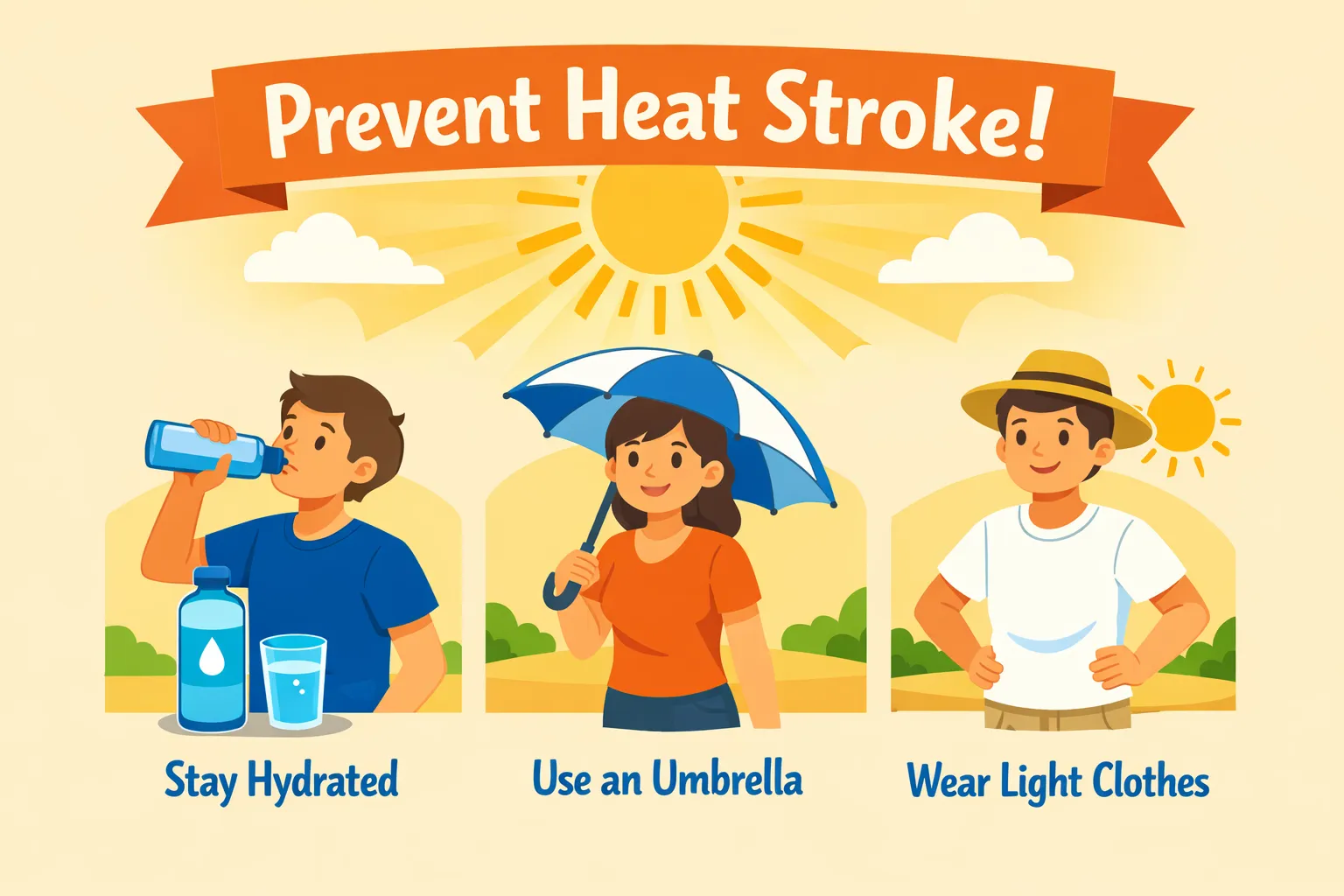
- Light-colored clothing
- Loose-fitting fabrics
These reduce heat absorption and help with heat stroke prevention.
Avoid Peak Heat Hours
Between 11 AM and 4 PM, the risk of heat stroke causes increases significantly. Limiting outdoor exposure during this time is crucial.
Monitor Vulnerable Individuals
Children, elderly people, and outdoor workers are more prone to:
- Mild heat stroke symptoms
- Severe complications
Regular monitoring can prevent escalation.
Common
These are the most frequently observed symptoms related to heat-related illnesses.
Heat Exhaustion Symptoms
Common signs include:
- Heavy sweating
- Weakness
- Dizziness
- Nausea
These are early indicators and often answer the question: what are the first signs of heat exhaustion.
Mild Heat Stroke Symptoms
At this stage, symptoms may include:
- Headache
- Increased body temperature
- Irritability
These can easily be overlooked but are critical warning signs.
Recovery Indicators
When people ask how do you recover from heat exhaustion, the answer lies in:
- Hydration
- Rest
- Cooling
Recovery usually takes a few hours to a day if treated properly.
Rare
Although less common, severe complications can occur if heat stroke symptoms in adults are ignored.
Neurological Issues
- Seizures
- Loss of consciousness
- Confusion
These occur due to what happens to the body during heat stroke, especially when the brain is affected.
Organ Failure
In extreme cases:
- Kidney damage
- Liver dysfunction
These are direct outcomes of untreated heat stroke.
Delayed Complications
Some individuals experience heat exhaustion symptoms next day, which may include:
- Persistent fatigue
- Weakness
- Reduced productivity
This highlights the importance of complete recovery.
Precautions
Preventing heat stroke symptoms in adults is always better than treating them.
Stay Hydrated
Regular fluid intake is the most effective strategy for heat stroke prevention.
Avoid Alcohol and Caffeine
These can worsen dehydration and increase heat stroke causes.
Take Regular Breaks
Outdoor workers should:
- Rest in shaded areas
- Avoid continuous exposure
This reduces the risk of heat exhaustion symptoms.
Use Protective Measures
- Hats
- Umbrellas
- Sunscreen
These help minimize heat exposure and prevent mild heat stroke symptoms.
Drug Interaction
While managing heat stroke symptoms in adults, certain medications can increase risk.
Risky Medications
- Diuretics
- Antihistamines
- Blood pressure drugs
These can interfere with the body’s ability to regulate temperature.
Important Consideration
Patients experiencing heat exhaustion symptoms should inform doctors about ongoing medications.
Why It Matters
Some drugs can worsen dehydration, increasing the chances of:
- Severe heat illness
- Complications
Understanding this is crucial for effective heat stroke prevention.
Storage
Proper storage of medicines and hydration products is essential, especially in hot climates.
Ideal Conditions
- Cool, dry place
- Away from direct sunlight
This ensures effectiveness when treating heat stroke symptoms in adults.
ORS and Electrolytes
These should be stored properly to maintain quality, especially when used for heat exhaustion symptoms.
Pharmacy Perspective
For businesses like Asha Medical, maintaining correct storage conditions ensures safe and effective products for customers dealing with heat-related issues.
Steps
Managing heat-related conditions requires a clear step-by-step approach.
Step 1: Identify Symptoms
Recognize early heat exhaustion symptoms such as:
- Sweating
- Weakness
- Dizziness
This answers the common question: what are the first signs of heat exhaustion.
Step 2: Immediate Cooling
- Move to a shaded area
- Use cold compress
- Drink fluids
These steps are essential for heat stroke treatment at home in early stages.
Step 3: Seek Medical Help
If symptoms worsen into:
- Confusion
- High temperature
These are clear heat stroke symptoms in adults, requiring urgent care.
Comparison
Understanding the difference between conditions is essential when dealing with heat stroke symptoms in adults. One of the most common confusions people have is heat stroke vs heat exhaustion, and getting this wrong can delay life-saving treatment.
Heat Exhaustion vs Heat Stroke
| Feature | Heat Exhaustion | Heat Stroke |
| Body Temperature | Normal or slightly high | Above 40°C |
| Sweating | Heavy sweating | Dry or minimal sweating |
| Mental State | Weakness, dizziness | Confusion, unconsciousness |
| Severity | Moderate | Life-threatening |
| Treatment | Fluids, rest | Emergency care |
Key Insight
- Heat exhaustion symptoms act as a warning stage
- Heat stroke is a medical emergency
If someone is still sweating and conscious, it’s likely exhaustion. But if confusion begins, it answers the question: what is one of the first signs of heat stroke—a shift in mental clarity.
Practical Application
For pharmacy owners and healthcare providers, educating people about this difference can significantly improve heat stroke prevention and reduce emergency cases.

Conclusion
Heat-related illnesses are not just seasonal discomforts—they are serious health threats. Recognizing heat stroke symptoms in adults early can make the difference between quick recovery and life-threatening complications.
We’ve covered everything from early warning signs to treatment and prevention. The key takeaway is simple:
- Don’t ignore heat exhaustion symptoms
- Understand what are the first signs of heat exhaustion
- Act quickly before it escalates
Knowing how do you recover from heat exhaustion and when to seek help is critical, especially in hot regions like Medinipur, Bankura, and Jhargram.
For pharmacy businesses, spreading awareness and guiding customers correctly is not just good service—it’s life-saving.
FAQ
1. What is one of the first signs of heat stroke?
One of the earliest signs is confusion or dizziness, often following heat exhaustion symptoms like sweating and fatigue.
2. What are the 5 stages of heat stress?
The five stages are:
- Heat rash
- Heat cramps
- Heat exhaustion
- Heat syncope
- Heat stroke
Understanding these helps in early heat stroke prevention.
3. How do you recover from heat exhaustion?
Recovery involves:
- Rest in a cool place
- Drinking fluids with electrolytes
- Avoiding heat exposure
This is the safest way to manage heat exhaustion symptoms.
4. What happens to the body during heat stroke?
The body loses its ability to regulate temperature. This leads to organ stress, especially affecting the brain, heart, and kidneys.
5. What are the first signs of heat exhaustion?
Early signs include:
- Sweating
- Weakness
- Dizziness
These are classic heat exhaustion symptoms and should not be ignored.
6. Can heat exhaustion symptoms appear the next day?
Yes, heat exhaustion symptoms next day may include fatigue, headache, and weakness. Proper recovery is essential.
7. What are mild heat stroke symptoms?
These include:
- Headache
- Slight confusion
- Increased body temperature
These are early warning signs before severe heat stroke symptoms in adults develop.
8. What are common heat stroke causes?
Common heat stroke causes include:
- Prolonged sun exposure
- Dehydration
- High humidity
Disclaimer
This content is for informational purposes only. Always consult a qualified medical professional for diagnosis and treatment.
Medical Authority & Sources
- World Health Organization (WHO) – Guidance on heatwaves and health risks
- Mayo Clinic – Heat stroke symptoms and causes overview
- National Institutes of Health (NIH) – Research on heat-related illnesses
- PubMed – Clinical studies on heat stress and body response
- NCBI – Evidence-based data on heat stroke management